Curiosities
Why do cats vomit so often?
Advertisement
1. **Swallowing too quickly**: Some cats eat too quickly and end up swallowing air along with their food, which can lead to vomiting shortly after eating.
2. **Hairballs**: Cats lick themselves to clean themselves, which can result in them ingesting loose hair. This hair can form balls in your cat's stomach, which they may occasionally vomit.
3. **Dietary Changes**: Introducing new foods into your cat's diet or making sudden changes to their existing diet can cause irritation to the digestive tract, resulting in vomiting.
4. **Eating something indigestible**: Cats, especially those with access to the outdoors, may occasionally eat something they shouldn't, such as plants, grass, or other materials that can cause stomach irritation.
5. **Food Sensitivities or Allergies**: Just like humans, cats can have food sensitivities or allergies to certain ingredients in their food, which can cause vomiting.
6. **Gastrointestinal diseases**: More serious problems, such as infections, inflammation or obstructions in the digestive tract, can also lead to frequent vomiting.
If your cat is vomiting frequently or has other concerning symptoms, it is important to take him to the vet for a full examination and proper diagnosis.
False or true alarm?
If you’re wondering whether cats vomit frequently, the answer is that it can vary from cat to cat and also depends on a number of factors, such as the cat’s health, diet, lifestyle, and environment. Some cats may vomit occasionally due to situations like the ones mentioned above, while others may vomit rarely. However, if a cat is vomiting very frequently, it could indicate an underlying issue that needs to be evaluated by a veterinarian. So, in short, the statement about cats vomiting frequently may be true for some cats, but not necessarily for all.
Cough and nausea
Coughing and nausea can be symptoms of a variety of conditions in both humans and animals, including cats. Here are some possible causes for these symptoms in cats:
1. **Respiratory disease:** Coughing in cats can be a symptom of respiratory diseases such as bronchitis, feline asthma, or viral or bacterial respiratory infections.
2. **Hairballs:** If a cat is coughing and showing signs of nausea, it could be due to a hairball irritating the throat or digestive tract.
3. **Heart Disease:** Certain heart diseases in cats can cause coughing due to fluid buildup in the lungs.
4. **Infections:** Respiratory tract infections, such as pneumonia, can lead to coughing and nausea in cats.
5. **Allergic reactions:** Some cats may have allergies to certain foods, substances in the environment, or household chemicals, which can result in coughing and nausea.
6. **Parasites:** Some parasites, such as lungworms, can cause coughing and nausea in cats.
If your cat is experiencing coughing and nausea, it’s important to take him to the vet for a thorough examination. Your vet will be able to make a proper diagnosis and recommend appropriate treatment based on the underlying cause of the symptoms.
Trending Topics
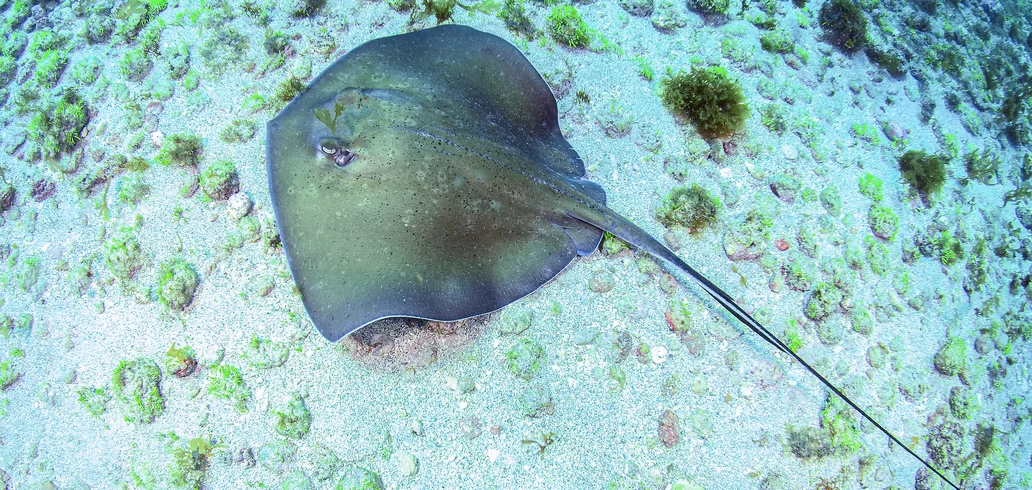
Stingray with no contact with males becomes pregnant spontaneously for the first time in 8 years
Keep Reading

Satellite Image App: The Universe on Your Phone
A satellite imagery app provides live, high-resolution images, time-lapse recordings, and detailed information.
Keep Reading